Decoding Your Caffeine Blueprint: How Neurochemistry Determines Your Ideal Dose, Timing, and Delivery
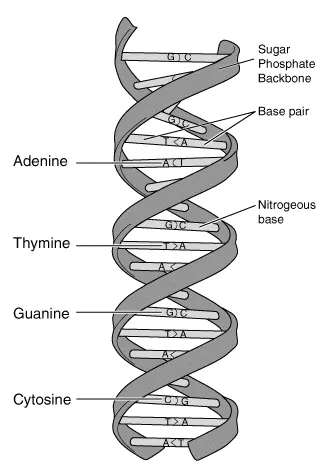
Photo: Unknown, Public domain, via Wikimedia Commons
If you have ever wondered why your colleague thrives on back-to-back espressos while a single cup leaves you anxious and scattered, the answer is not willpower, habit, or tolerance alone. It is biology — specifically, a constellation of genetic and neurochemical factors that collectively determine how your nervous system processes, responds to, and recovers from caffeine. Understanding these factors moves caffeine optimization from guesswork into genuine personalized science.
Why Generic Caffeine Recommendations Fall Short
Most caffeine guidance in the United States operates on population averages. The widely cited recommendation of up to 400 milligrams per day for healthy adults reflects a statistical midpoint, not a biological prescription. It is roughly equivalent to recommending the same eyeglass prescription for everyone based on the average human visual acuity — technically defensible as a population estimate, but practically useless for the individual.
The reality is that caffeine metabolism, receptor sensitivity, and downstream neurochemical effects vary by a factor of several times between individuals. Two people of similar age, weight, and health status can consume identical doses of caffeine and have profoundly different experiences — not because one is imagining things, but because their underlying biochemistry is genuinely distinct.
The COMT Gene: Your Caffeine Metabolism Regulator
One of the most significant determinants of individual caffeine response is a gene called COMT — catechol-O-methyltransferase. This enzyme is responsible for breaking down catecholamines, including dopamine, epinephrine, and norepinephrine, in the prefrontal cortex and other brain regions. Caffeine, by elevating catecholamine activity, places meaningful demand on this system.
The COMT gene exists in two common variants, often described informally as "fast" and "slow" metabolizer versions. Individuals carrying the Val/Val variant produce more active COMT enzyme and clear catecholamines relatively quickly. Those with the Met/Met variant have lower COMT activity, meaning catecholamines — including those elevated by caffeine — linger longer in synaptic spaces.
The practical implications are significant. Slow COMT metabolizers often experience caffeine's stimulant effects more intensely and for longer durations. They are more prone to anxiety, rumination, and sleep disruption from standard doses. Fast metabolizers, conversely, may find that caffeine's effects are short-lived and that they require more frequent dosing to maintain alertness — though this pattern carries its own risks regarding habituation and adrenal load.
For slow COMT individuals, lower doses consumed less frequently — sometimes as little as 50 to 75 milligrams — may produce optimal cognitive benefit without the neurochemical overstimulation that higher doses provoke. For fast metabolizers, timing and delivery method often matter more than dose alone.
Dopamine Sensitivity and the Reward Circuit
Caffeine's relationship with dopamine is indirect but meaningful. By blocking adenosine receptors, caffeine disinhibits dopaminergic neurons in the nucleus accumbens and prefrontal cortex, resulting in elevated dopamine signaling. This contributes to the mood-enhancing and motivating qualities that make caffeine so appealing beyond its wakefulness effects.
However, individuals vary considerably in baseline dopamine receptor density and sensitivity. Those with naturally lower dopamine tone — a trait associated with certain DRD2 gene variants and conditions such as ADHD — may find caffeine particularly rewarding and motivating, sometimes in ways that support focus and task engagement. Those with higher baseline dopamine sensitivity may find that caffeine-induced dopamine elevation quickly tips into overstimulation, producing restlessness or difficulty sustaining attention on complex tasks.
This dopamine dimension also helps explain why caffeine's psychological effects — motivation, reward anticipation, and mood — are often disproportionate to its cognitive effects, and why the behavioral dependency on caffeine can develop independently of physical tolerance.
Histamine Tolerance: The Often-Overlooked Factor
Histamine intolerance represents one of the least-discussed variables in caffeine response, yet it affects a meaningful segment of the population. Caffeine stimulates the release of histamine and also inhibits the enzyme diamine oxidase (DAO), which is responsible for breaking down dietary histamine. For individuals with compromised DAO activity or underlying histamine sensitivity, caffeine consumption — particularly from high-histamine sources such as aged coffee or fermented tea — can trigger responses that mimic anxiety, heart palpitations, headaches, and gastrointestinal distress.
Americans who have dismissed themselves as "caffeine sensitive" without further investigation may in fact be experiencing histamine-mediated reactions rather than direct caffeine intolerance. In such cases, switching delivery methods — for example, moving from traditionally brewed coffee to cold brew (which is lower in histamine-related compounds) or to anhydrous caffeine supplements with minimal additives — can substantially change the experience without altering the dose.
Delivery Method as a Neurochemical Variable
The form in which caffeine is consumed affects not only the rate of absorption but also the accompanying biochemical environment. Coffee delivers caffeine alongside chlorogenic acids, diterpenes, and other bioactive compounds that modulate its effects. Green tea pairs caffeine with L-theanine, an amino acid that promotes alpha-wave brain activity and attenuates caffeine-induced anxiety — a combination that consistently produces a smoother, more sustained cognitive effect profile in research settings.
For individuals with slow COMT activity or high dopamine sensitivity, L-theanine co-supplementation with caffeine — whether through green tea or as a combined supplement — represents one of the most evidence-supported strategies for preserving the cognitive benefits of caffeine while reducing its overstimulating potential.
Energy drinks and pre-workout formulations, by contrast, frequently combine caffeine with other stimulants such as synephrine or high-dose B vitamins that can amplify cardiovascular and neurological side effects, particularly in individuals with slow metabolizer profiles.
Building Your Personal Caffeine Protocol
Translating this neurochemical framework into a practical protocol involves honest self-assessment across several dimensions. Consider how quickly you feel caffeine's effects after consumption, how long those effects last, whether you experience anxiety or calm focus at standard doses, and how disrupted your sleep is when caffeine is consumed in the afternoon.
Those who feel strong effects quickly and experience prolonged stimulation are likely slow COMT metabolizers who benefit from lower doses, longer intervals between doses, and delivery methods that include L-theanine. Those who feel minimal effects from standard doses and clear caffeine rapidly may be fast metabolizers who benefit from moderate, strategically timed doses — ideally aligned with their peak cognitive demand windows rather than consumed habitually throughout the day.
Regardless of metabolizer type, all individuals benefit from building in regular low-intake periods to preserve receptor sensitivity and avoid the progressive habituation that diminishes caffeine's functional value over time.
Your nervous system is not a generic system. Your caffeine protocol should not be generic either.